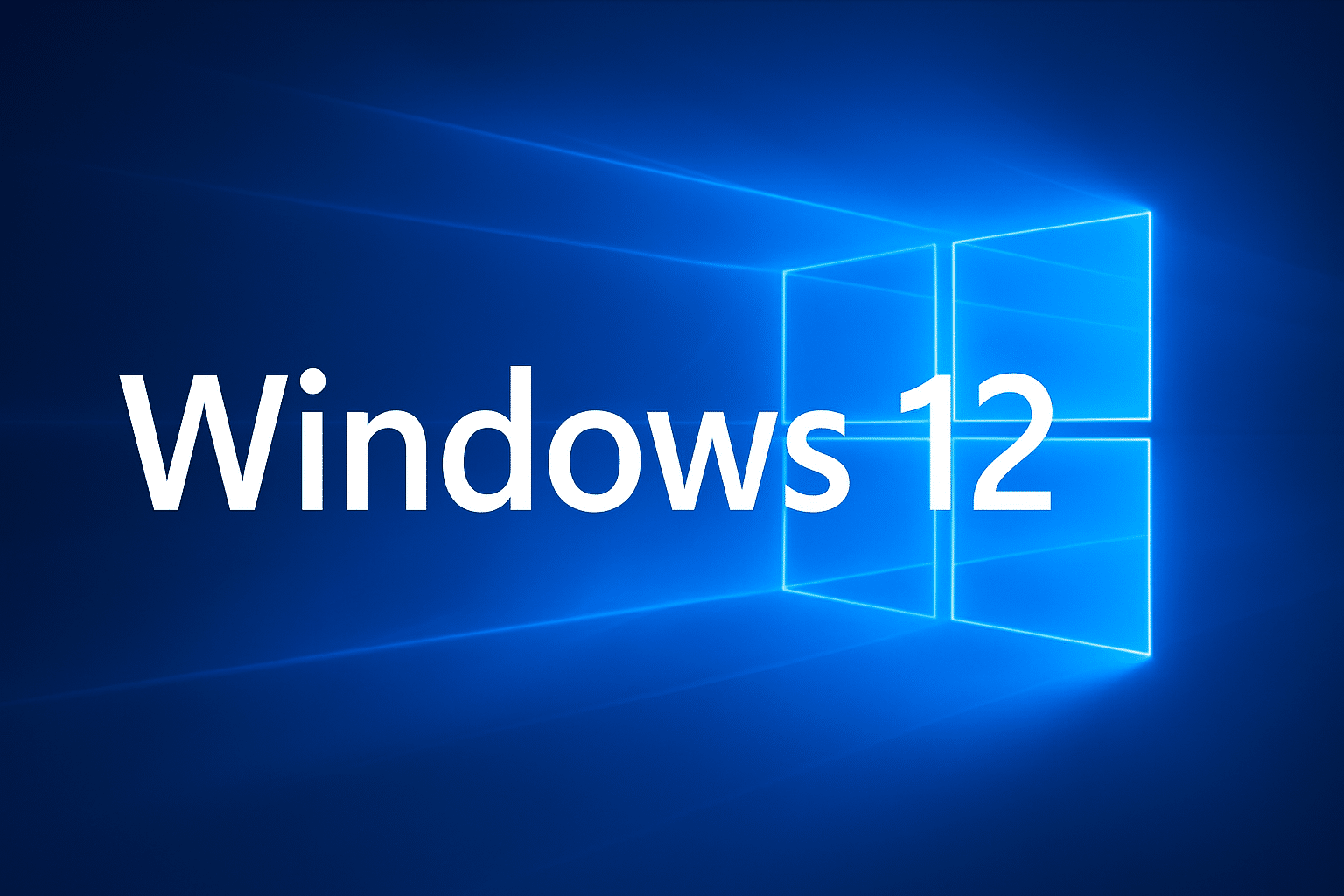
Windows 12: Is It Coming? What Microsoft Has Actually Confirmed (2026)
“Windows 12” is one of the most-searched topics in the Microsoft world — so let’s cut through the rumours with the honest, up-to-date answer. As of 2026, Microsoft has confirmed there is no Windows 12, and the next evolution of Windows will not carry that name. Here is what is actually happening, where the speculation came from, and what it means for the PC you are using right now.
Is Windows 12 coming out?
No — not as “Windows 12.” In 2026 Microsoft made it clear that it is not launching a product called Windows 12. Instead of a numbered successor, the company has signalled that the future of Windows is a more gradual, AI-centred evolution delivered through updates to Windows 11, rather than a big-bang “Windows 12” release. If you have been holding off on a purchase or upgrade while waiting for Windows 12, the practical takeaway is simple: there is nothing to wait for.
The short answer
There is no Windows 12. Microsoft confirmed the next version will not be called that.
The current OS
Windows 11 is the latest version — and the one to buy or upgrade to today.
Windows 10
Support ended 14 October 2025 — upgrading is now the sensible move.
What Microsoft has actually said
Rather than a new number, Microsoft has pointed to a future where Windows becomes more AI-native — deeper Copilot integration, more on-device intelligence and continuous feature updates — layered onto the existing Windows 11 platform. The company has teased larger announcements about “the next evolution of Windows,” but has been explicit that it will not be branded Windows 12. In other words, the innovation is real; the name “Windows 12” is not.
Where did the Windows 12 rumours come from?
The speculation was understandable. Microsoft has historically released a new numbered Windows every few years, so after Windows 11 many assumed “Windows 12” would follow around 2024–2025. Leaks, concept videos and analyst predictions filled the gap. But Microsoft’s strategy shifted towards continuous delivery — shipping major features to Windows 11 through regular updates — which makes a brand-new numbered release far less likely in the near term.
What this means for you right now
If you are buying a new PC, upgrading from Windows 10, or choosing a licence, the decision is clear:
- Windows 11 is the current, supported operating system. Buying it now is not “buying the old one” — it is the platform Microsoft is actively building the AI future on.
- There is no penalty for not waiting. Because future improvements arrive as Windows 11 updates, a licence you buy today keeps getting better.
- Windows 10 is out of free support since 14 October 2025, so if you are still on it, moving to Windows 11 is the secure choice.
Don’t wait for a Windows 12 that isn’t coming.
Get a genuine Windows 11 licence today — permanently valid, delivered by email straight after payment, with a lifetime guarantee and free setup help.
Frequently asked questions
Is Windows 12 real?
No. As of 2026, Microsoft has confirmed it is not releasing a product called Windows 12. The next evolution of Windows is being delivered as ongoing updates to Windows 11, with a stronger focus on AI, rather than as a new numbered version.
Should I wait for Windows 12 before buying a PC or licence?
There is no reason to wait. Windows 12 is not on the roadmap under that name, and new features are arriving through Windows 11 updates. A Windows 11 licence bought today is the current platform and will continue to receive improvements.
Is Windows 11 still the latest version of Windows?
Yes. Windows 11 is the current, fully supported version of Windows and the one Microsoft is building its AI features into. It is the right choice for both new PCs and upgrades from Windows 10.
What happened to Windows 10?
Windows 10 reached the end of its free support on 14 October 2025. It still runs, but no longer receives free security updates unless you pay for Extended Security Updates. Upgrading to Windows 11 on supported hardware is the recommended path.
Will there ever be a Windows 12?
Microsoft has not committed to a Windows 12, and current signals point to continuous updates of Windows 11 instead. Naming could always change in future, but for any decision you are making today, Windows 11 is the version that matters.